

Salkantay Trek to Machu Picchu: Complete 5-Day Guide (2026)
The Salkantay Trek to Machu Picchu is one of the most remarkable hiking adventures in Peru and one of the best-known alternatives to the Classic Inca Trail. For many travelers, it offers the perfect balance between mountain scenery, physical challenge, and the reward of arriving at Machu Picchu after several days on the trail.
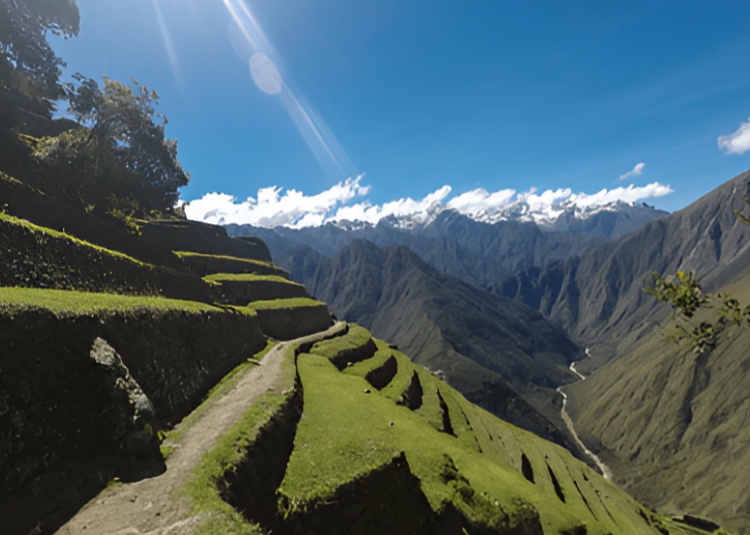
What makes this trek so special is the journey itself. It is not simply a route to reach a famous destination. It is a full Andean experience shaped by altitude, changing landscapes, long hiking days, and the visual power of the Salkantay mountain range. From the cold, dramatic highlands near the sacred mountain to the greener environments closer to Machu Picchu, the route feels varied, memorable, and deeply rewarding.
If you are planning this adventure, this guide will help you understand what the trek is really like, how difficult it is, how long it takes, what a classic 5-day route includes, when to go, what to pack, and how to plan the Machu Picchu portion of the journey correctly.
Table of Contents
- Overview of the Salkantay Trek
- Why the Salkantay Trek Is Worth It
- Salkantay Trek Difficulty
- Altitude and Acclimatization
- Salkantay Trek Duration
- Classic 5-Day Salkantay Route
- Day 1: Arrival in the Salkantay Area
- Day 2: High Mountain Section
- Day 3: Descent into Greener Landscapes
- Day 4: Final Approach Toward Machu Picchu
- Day 5: Machu Picchu
- Machu Picchu Entry and Advance Booking
- Best Time to Do the Salkantay Trek
- Packing List for the Salkantay Trek
- Final Recommendation
Overview of the Salkantay Trek
The Salkantay Trek is a multi-day hiking route in the Cusco region that leads travelers through spectacular mountain scenery on the way to Machu Picchu. It is widely recognized as one of the most important trekking routes in Peru and one of the most attractive choices for travelers who want a scenic, physically demanding alternative to the Classic Inca Trail.
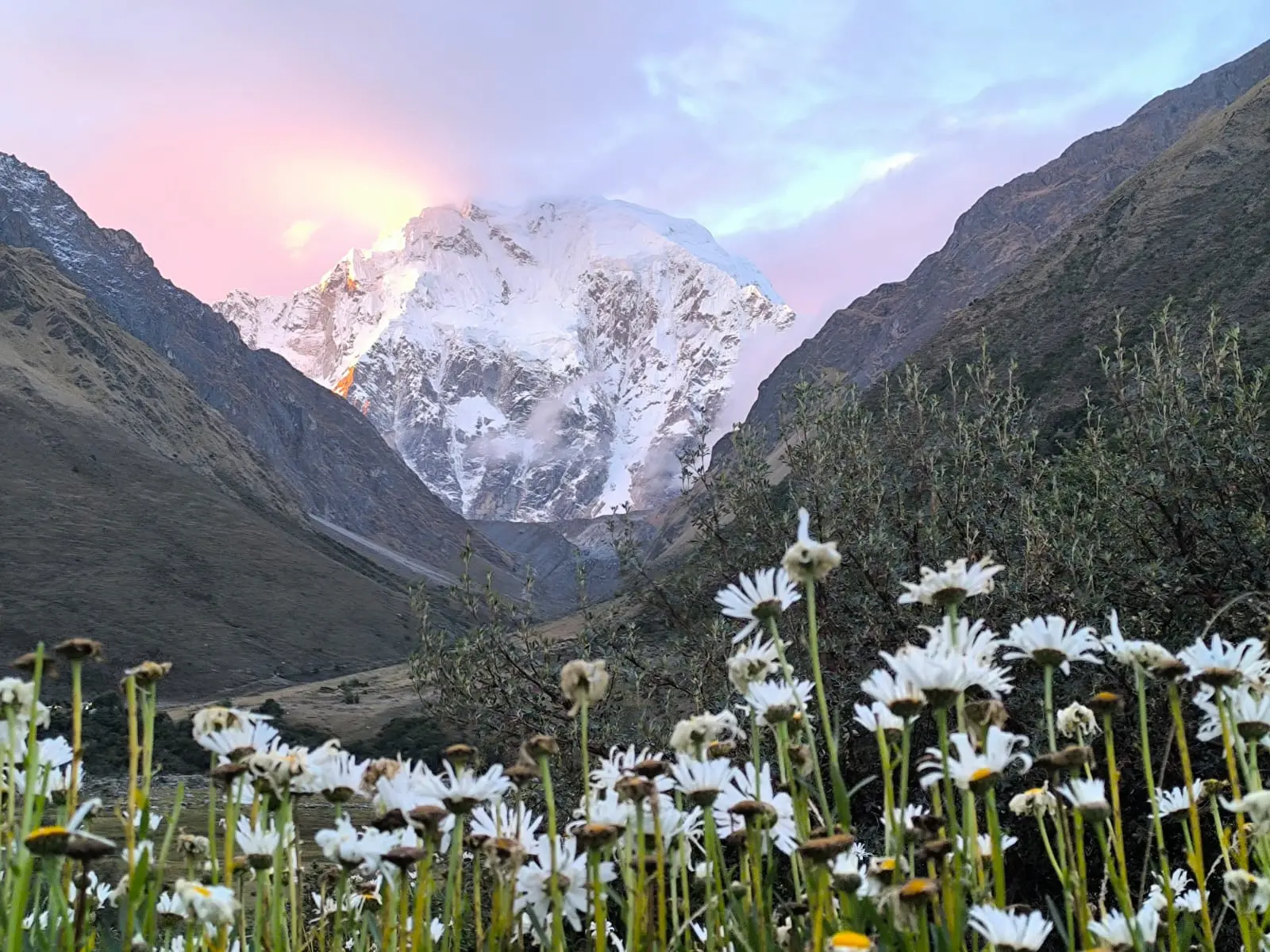
One of the defining features of the route is its connection to Mount Salkantay, one of the most iconic peaks near Cusco. The mountain dominates the highland scenery and gives the trek much of its identity. This is not a city excursion or a short countryside walk. It is a route shaped by the scale of the Andes, where the environment itself becomes part of the experience.
Another reason the Salkantay Trek feels so distinctive is the transition in landscapes. Instead of spending the entire journey in one type of scenery, hikers move through different environments over the course of several days. That sense of progression gives the trek a rhythm that many travelers find even more memorable than a single famous viewpoint or one difficult stage.
Why the Salkantay Trek Is Worth It
There are many reasons why travelers choose the Salkantay Trek.
The first is the scenery. This is one of the most visually impressive trekking routes in southern Peru. The mountain environment around Salkantay is dramatic, expansive, and deeply Andean. The route feels big, wild, and scenic in a way that many travelers find unforgettable.
The second is the sense of achievement. Machu Picchu is extraordinary in any format, but reaching it after a multi-day trek gives the journey a very different emotional weight. For many hikers, the final arrival feels more powerful because they have worked for it step by step.
The third is the overall travel experience. The trek is not only about the destination. It is about altitude, silence, effort, scenery, and movement through one of the most beautiful mountain regions in Peru. For travelers who want something more than a standard bus-and-train journey, Salkantay offers a much more immersive adventure.
Salkantay Trek Difficulty
The Salkantay Trek is generally considered moderate to challenging.
This level of difficulty does not come from only one factor. It comes from the combination of altitude, distance, trail conditions, and the physical demand of walking for several consecutive days. Even travelers with decent general fitness can find the trek hard if they are not prepared for hiking at elevation.
The most demanding aspect is often the altitude. Hiking in the Andes is very different from hiking at low elevation, because every climb feels heavier and recovery can be slower. A route that might seem manageable on paper can feel much harder when the air is thinner and the effort builds over multiple days.
The second major challenge is duration. This is not a short day hike. It is a trek that asks for consistent energy over several stages, and that means the body is under pressure not only during the hardest climb, but throughout the journey.
For that reason, the Salkantay Trek is best suited for travelers who enjoy active trips, are reasonably fit, and are willing to prepare for the altitude in advance.
Altitude and Acclimatization
Altitude is one of the most important things to take seriously before doing the Salkantay Trek.
Cusco itself is already at high elevation, and the trek moves into an even more demanding mountain environment. Because of that, acclimatization is not optional if you want a safer and more enjoyable experience. Travelers who arrive and try to rush into a high-altitude trek too quickly are much more likely to feel unwell or struggle physically on the trail.
This is why it is a good idea to spend time in Cusco or nearby areas before beginning the route. Giving your body time to adjust can make a very noticeable difference in how you feel during the trek. Even one extra day of adaptation can help, and a more gradual start is usually much better than trying to push through immediately after arrival.
In practical terms, the best approach is simple: take altitude seriously, hydrate well, avoid treating your first day in Cusco like a race, and allow your body time to adapt before you commit to several days of hiking.
Salkantay Trek Duration
A classic Salkantay experience is commonly completed in 5 days and 4 nights.
This is one of the most balanced formats for the trek because it allows enough time to enjoy the route without turning it into an unnecessarily rushed itinerary. A multi-day hike becomes much more enjoyable when it has enough space for recovery, for taking in the scenery, and for moving through the route with a more natural rhythm.
Five days gives the trek a stronger sense of progression. You feel the high mountain environment, the demanding crossing stage, the descent into greener terrain, and the final approach toward Machu Picchu as distinct parts of the experience rather than as compressed transitions.
For many travelers, that is exactly why the 5-day version stands out. It feels like a true journey, not just a shortened athletic challenge.
Classic 5-Day Salkantay Route
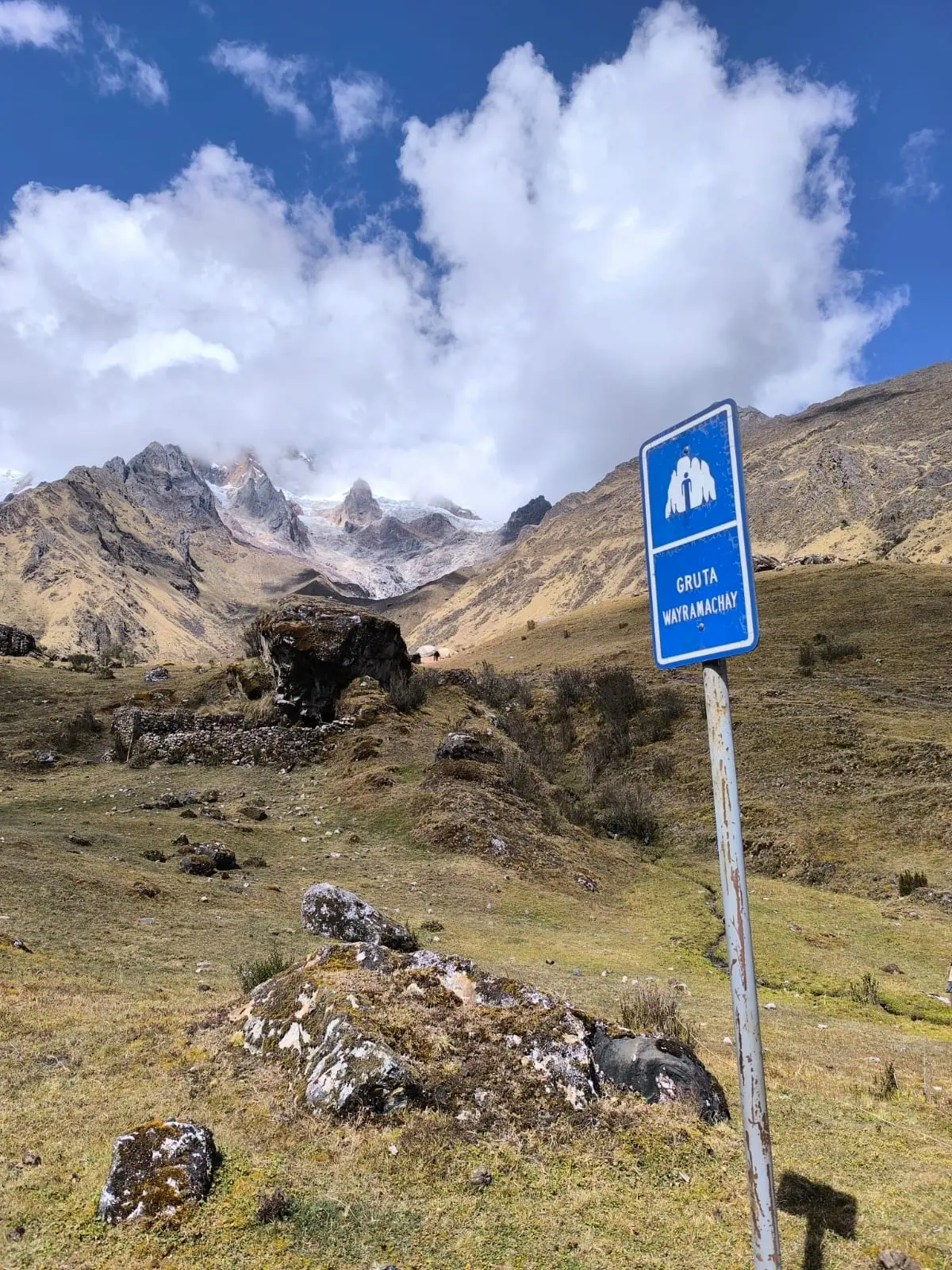
A classic 5-day Salkantay route begins on the Mollepata side and continues into the high mountain zone near Soraypampa, before crossing the Salkantay area and descending toward the Machu Picchu access zone.
This route is usually understood as a progression through several clearly different stages. There is an opening section in the high Andes, a more demanding mountain crossing, a descent into greener and lower terrain, a final approach toward Aguas Calientes, and the Machu Picchu visit on the last day.
This structure is one of the reasons the trek feels so complete. Each day has a different purpose, and the route gradually changes both physically and visually as you move forward.
Day 1: Arrival in the Salkantay Area
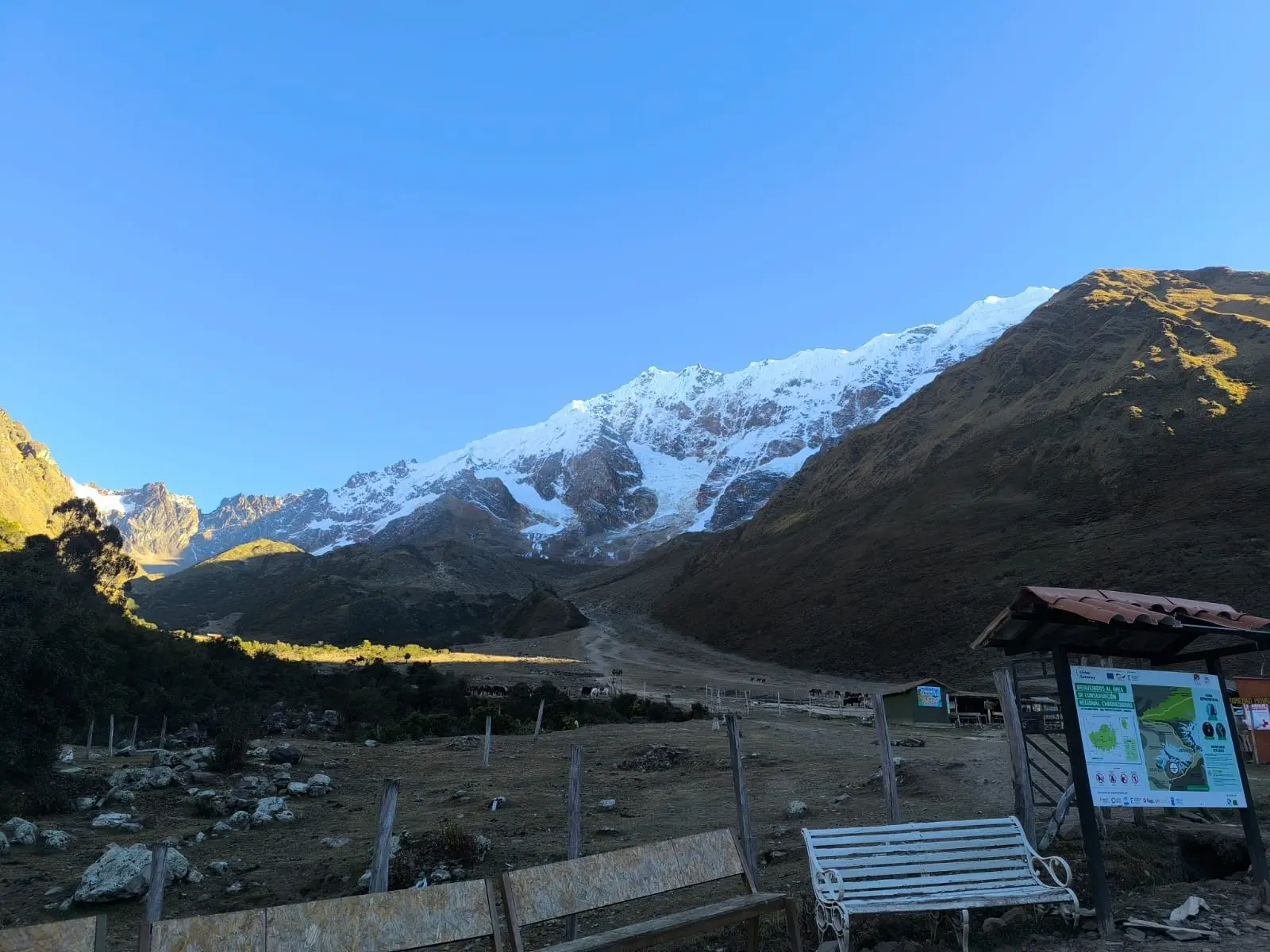
The first day usually begins with the overland journey from Cusco toward the Mollepata area and the start of the hike in the high Andean landscape.
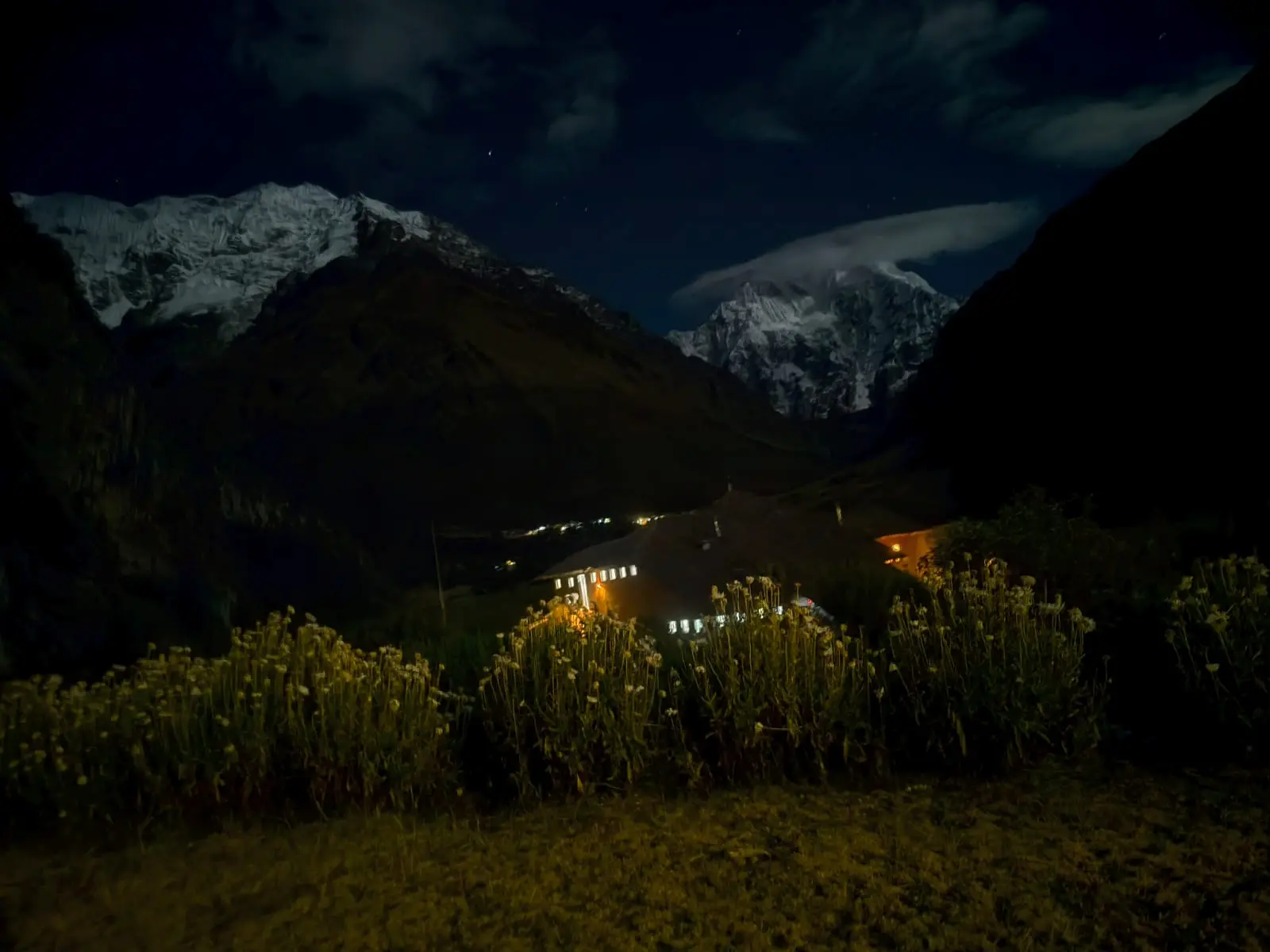
This first stage introduces travelers to the environment of the trek. It is the day when the city disappears behind you and the mountain setting begins to define the journey. The air feels different, the scenery opens up, and the sense of being in a serious trekking route becomes much more real.
The first day often feels exciting rather than overwhelming. It is the beginning of the adventure and, for many hikers, one of the most scenic introductions to trekking in the Cusco region.
Day 2: High Mountain Section
The second day is usually the hardest part of the Salkantay Trek.
This is the stage where altitude and effort are felt most strongly, and it is the section that gives the route much of its reputation. For many travelers, this is the day that demands the most patience, steady pacing, and mental focus.
The mountain environment dominates the experience here. The scenery is powerful, but so is the physical effort required to move through it. This is why proper acclimatization matters so much. A traveler who respects the altitude usually experiences this day very differently from someone who underestimates it.
Even though this is often the hardest stage, it is also one of the most memorable. It is the part of the trek that makes people feel they have truly crossed the Andes rather than simply walked through them.
Day 3: Descent into Greener Landscapes
After the hardest mountain stage, the route begins to change.
This transition is one of the most rewarding parts of the trek because the scenery gradually becomes greener and feels less alpine. The contrast is one of the defining features of Salkantay. What begins as a high mountain journey starts to feel more varied and dynamic as the environment shifts around you.
For many travelers, this day is a reminder that the Salkantay Trek is not only about one difficult pass or one famous mountain. It is about movement through changing landscapes, and that variation is a major part of its appeal.
Day 4: Final Approach Toward Machu Picchu
By the fourth day, the route enters its final approach toward Machu Picchu.
This stage often feels different from the earlier days because the emotional focus begins to shift. The route is no longer only about effort and endurance. It becomes about anticipation. Travelers begin to feel that the final goal is close, and that creates a very different atmosphere on the trail.
The fourth day also acts as a bridge between the trekking experience and the visit to Machu Picchu itself. After several days of walking, the journey begins to narrow toward the final reward.
Day 5: Machu Picchu
The fifth day is dedicated to visiting Machu Picchu.
After days of trekking, this final stage is one of the most satisfying parts of the journey. However, it is important to understand that the visit to Machu Picchu now works through an official system of circuits and routes. Reaching the area after a trek does not mean unrestricted access to every part of the citadel.
This is why planning the Machu Picchu section in advance matters. The final day is not something to leave vague or improvisational. It should be organized as carefully as the trek itself.
Machu Picchu Entry and Advance Booking
One of the most important planning details for the Salkantay Trek is the final entry to Machu Picchu.
Machu Picchu currently operates under an official system of 3 circuits grouped into 10 routes. That means your experience inside the citadel depends on the ticket you book.
This matters a lot for travelers finishing the Salkantay Trek because it affects how you experience the final day. You should not assume that all tickets offer the same access or that everything can be decided at the last moment after arriving in Aguas Calientes.
Advance planning is the smartest option, especially if you want a specific route or simply want peace of mind after completing the trek.
Best Time to Do the Salkantay Trek
For most travelers, the best time to do the Salkantay Trek is during the dry season in the Cusco region, which generally runs from April to October.
This matters because the route crosses high mountain terrain where visibility, temperature, and trail conditions all influence the overall experience. Drier months usually offer a more stable trekking environment, which is especially important on a route where effort and scenery are both central to the appeal.
The rainy season, which generally runs from November to March, can still bring beautiful landscapes, but also more unpredictability. For a trek like Salkantay, where conditions matter a lot, most travelers prefer the drier months for a more comfortable and reliable experience.
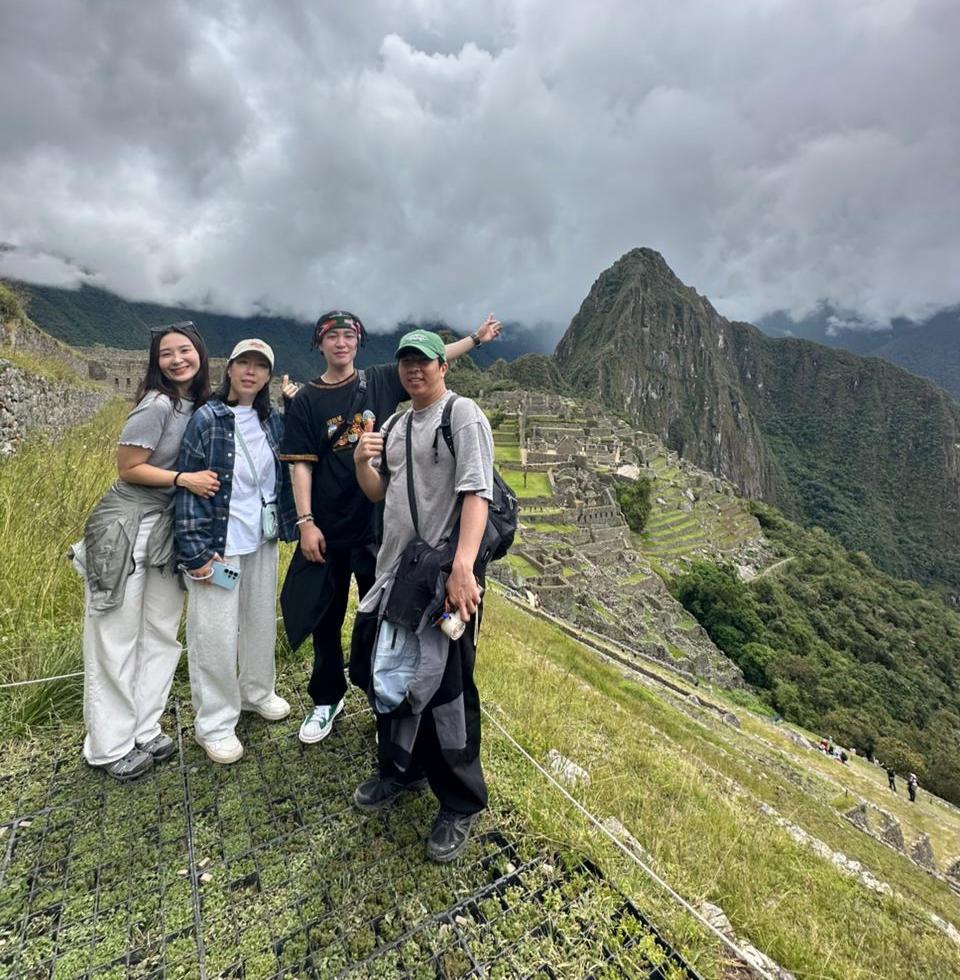
Packing List for the Salkantay Trek
Packing correctly is essential for this trek.
Because the route combines altitude, changing temperatures, long walking days, and strong sun exposure, your clothing and equipment need to be practical rather than heavy or excessive.
A good packing list should include:
- layered clothing
- a warm mid-layer
- a waterproof jacket
- comfortable hiking shoes
- sunblock
- sunglasses
- a hat
- water or a hydration system
- personal essentials for multiple trekking days
The most important principle is flexibility. Mountain conditions can change quickly, and the best clothing system is one that lets you adapt rather than overheat or get too cold.
Final Recommendation
If you want a trekking adventure that feels scenic, demanding, and unforgettable, the Salkantay Trek to Machu Picchu is one of the best choices in Peru.
It offers dramatic Andean landscapes, a genuine multi-day hiking experience, and the reward of arriving at one of the most famous archaeological destinations in the world. The best way to enjoy it is to prepare properly: acclimatize before starting, choose the right season, pack smart, and organize your Machu Picchu entry in advance.
Done well, the Salkantay Trek can easily become one of the highlights of your entire trip to Peru.
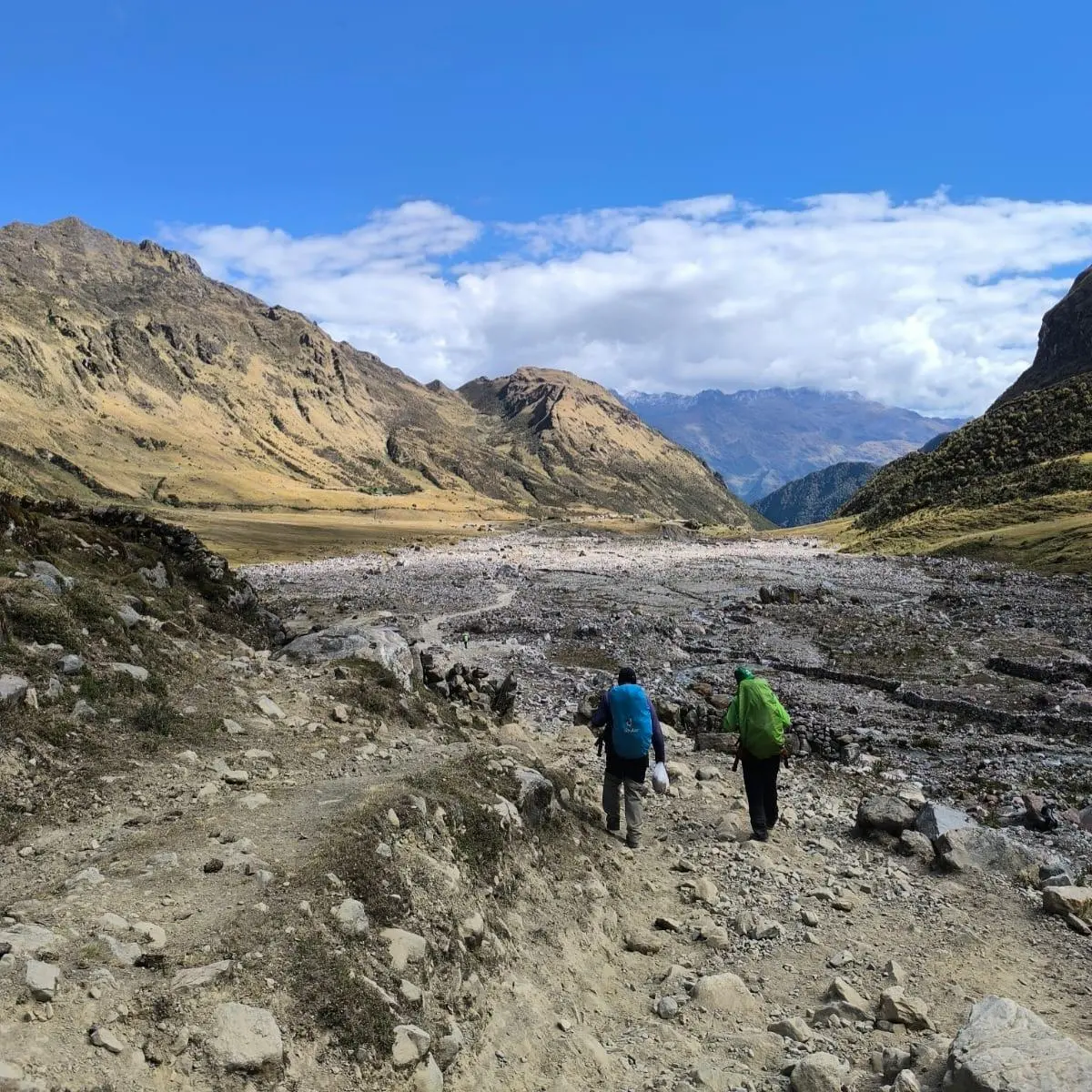
Explore Our Top Tours
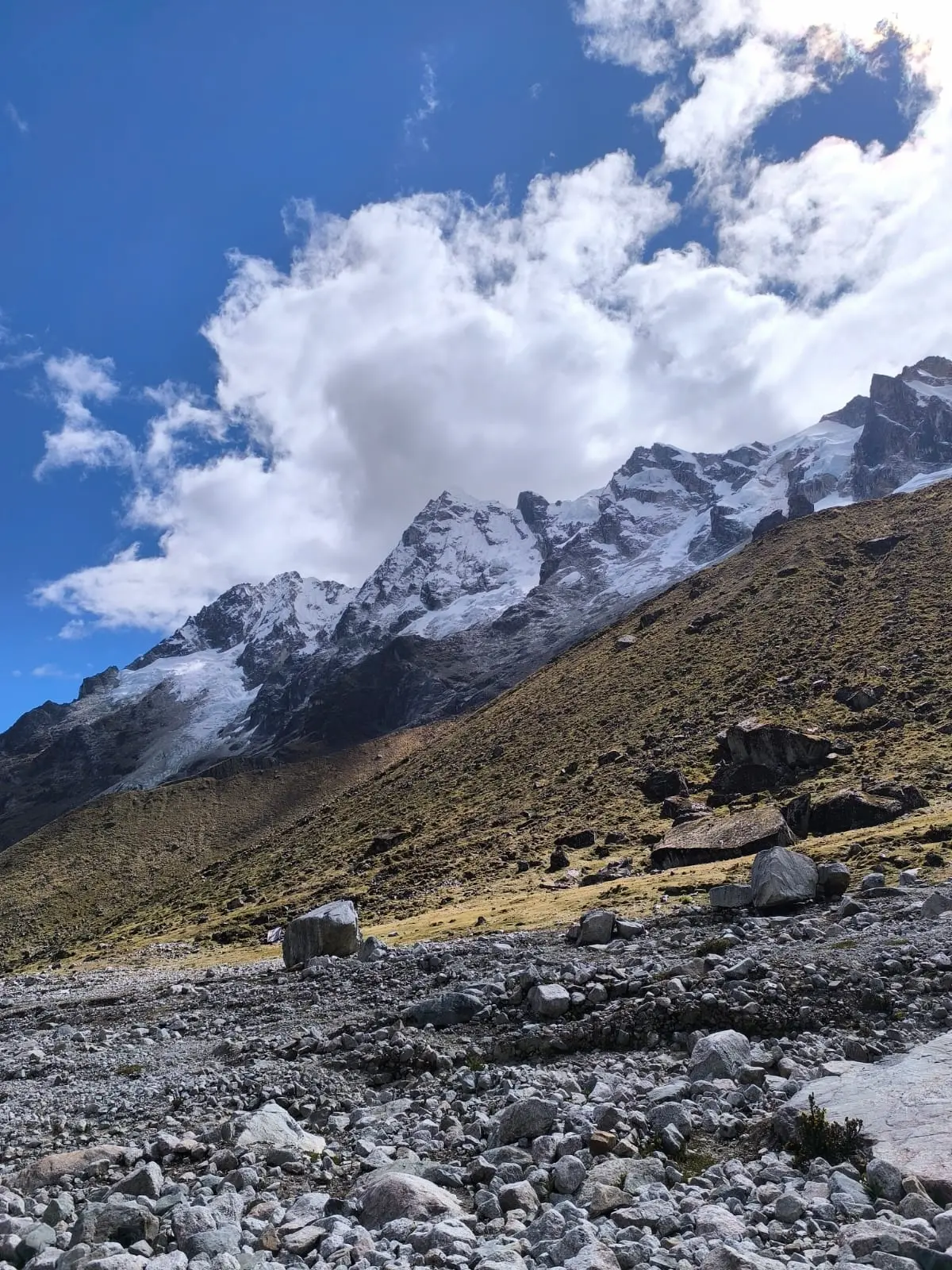

Need Help Planning Your Trip?
Our local travel experts are here to help you plan the perfect trip to Peru.