
Inca Trail Trek Packages: 2-Day vs 4-Day Routes Compared
- Machupicchu Inka Travel Agency
Choosing between Inca Trail trek packages starts with understanding how you want to spend the journey to Machu Picchu. The Classic Inca Trail involves several days of hiking, high mountain passes and nights at trail campsites. The Short Inca Trail focuses on the final section, usually combining one main hiking day with a hotel night in Aguas Calientes and a guided Machu Picchu visit the following morning.
Both routes can bring you to Wiñay Wayna and the approach through Intipunku, the Sun Gate. Their demands, daily rhythm and overnight arrangements are different, however, and those differences matter when you are planning the rest of your Peru itinerary.
This Inca Trail comparison explains the two main routes, introduces other formats you may encounter and shows what to check before choosing a package.
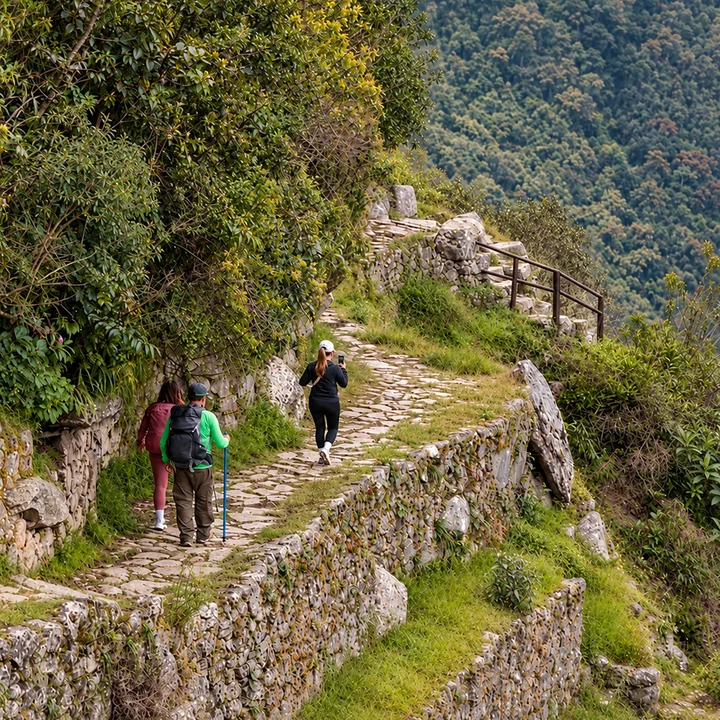
Table of Contents
- Inca Trail Trek Packages: 2-Day vs 4-Day at a Glance
- What Is the Classic 4-Day Inca Trail Like?
- What Is the Short 2-Day Inca Trail Like?
- Difficulty, Altitude and Where You Sleep
- Other Inca Trail Formats Explained
- What Should You Check in an Inca Trail Package?
- Permits, Entry Rules and Your Machu Picchu Visit
- Which Inca Trail Option Fits Your Trip?
- Frequently Asked Questions
- Plan Your Inca Trail Experience
Inca Trail Trek Packages: 2-Day vs 4-Day at a Glance
Choose the Classic 4-Day Inca Trail if several days on the historic trail are a central part of your trip. It suits travelers who want the high passes, a wider sequence of archaeological sites and the experience of camping between hiking days.
Choose the Short 2-Day Inca Trail if you want to walk the final section while allowing more time for other destinations. In the hotel-based format compared here, you complete the main hike on Day 1, sleep in Aguas Calientes and visit Machu Picchu on Day 2.
The following comparison describes the usual structure of these two packages. Distances are approximate, and the confirmed access point and itinerary determine the final route.
| Comparison | Short Inca Trail – 2 Days | Classic Inca Trail – 4 Days |
|---|---|---|
| Package duration | 2 days / 1 night | 4 days / 3 nights |
| Traditional start | Km 104 – Chachabamba | Km 82 – Piscacucho |
| Approximate trail distance | 12–13 km on the traditional hiking section | Around 43 km, depending on the measured endpoints |
| Highest point | Intipunku: approximately 2,720 m | Dead Woman’s Pass: approximately 4,215 m |
| Walking pattern | One main hiking day, followed by the Machu Picchu visit | Consecutive hiking days, with Machu Picchu on the final day |
| Overnight style | Hotel in Aguas Calientes in the package compared here | Three camping nights on the trail |
| Physical demand | Several hours of walking, climbs and stone steps | Higher passes, repeated hiking days and long descents |
| Official permit | Required, with its own limited availability | Required, with limited availability |
| Best suited to | Travelers seeking a shorter trek and a hotel night | Travelers seeking a multi-day hiking and camping experience |
Distances and elevations are approximate. The Short Inca Trail may use an alternative authorized access, such as Km 106. Final access, campsites and Machu Picchu arrangements follow the confirmed itinerary and applicable official instructions.
What Is the Classic 4-Day Inca Trail Like?
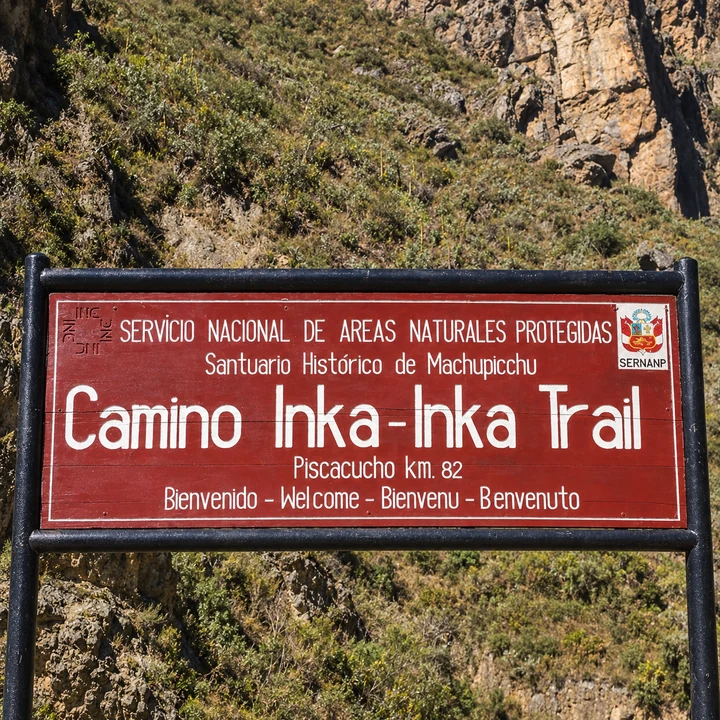
The Classic Inca Trail begins at Piscacucho, commonly called Km 82, and follows the historic route toward Machu Picchu through valleys, mountain passes and cloud forest.
MINCETUR describes this journey as approximately 43 kilometers. You may see different totals elsewhere because some descriptions measure to Intipunku, while others include the approach to the archaeological site.
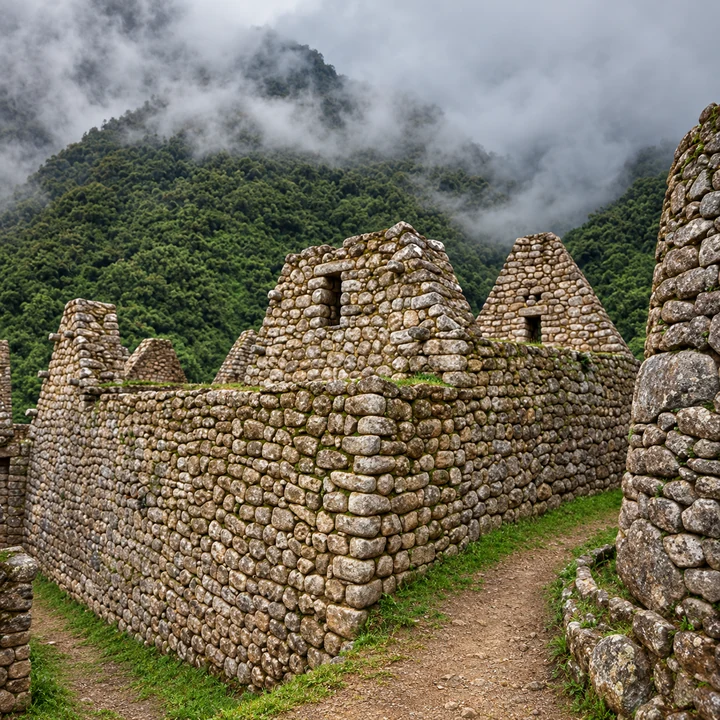
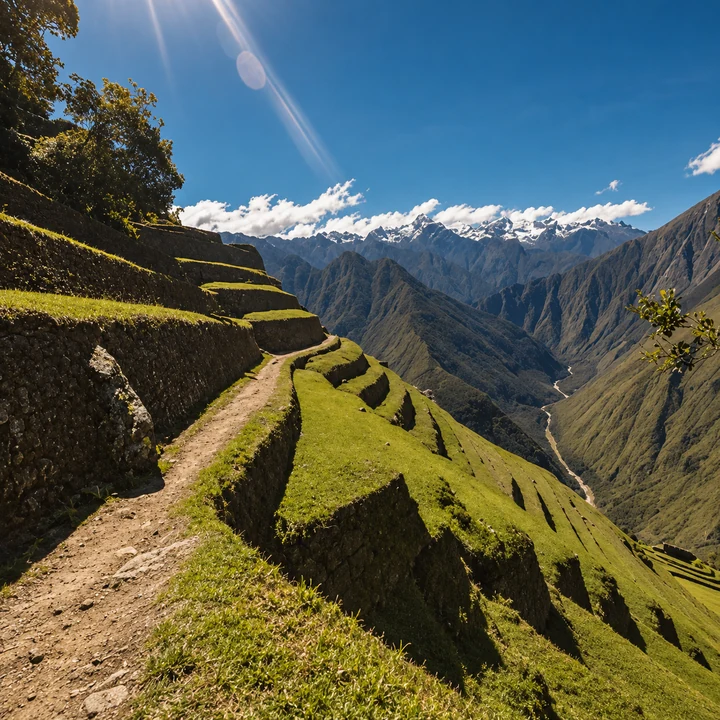
The route gives you time to experience how the landscape changes. The relatively open terrain near the beginning gradually gives way to steeper mountain sections. Later, the trail passes through greener forest and archaeological complexes built into the slopes.
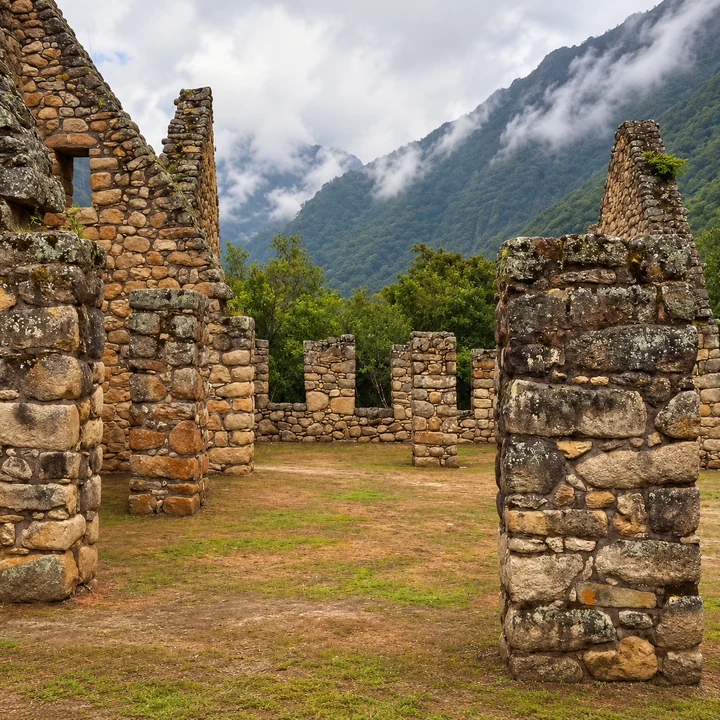
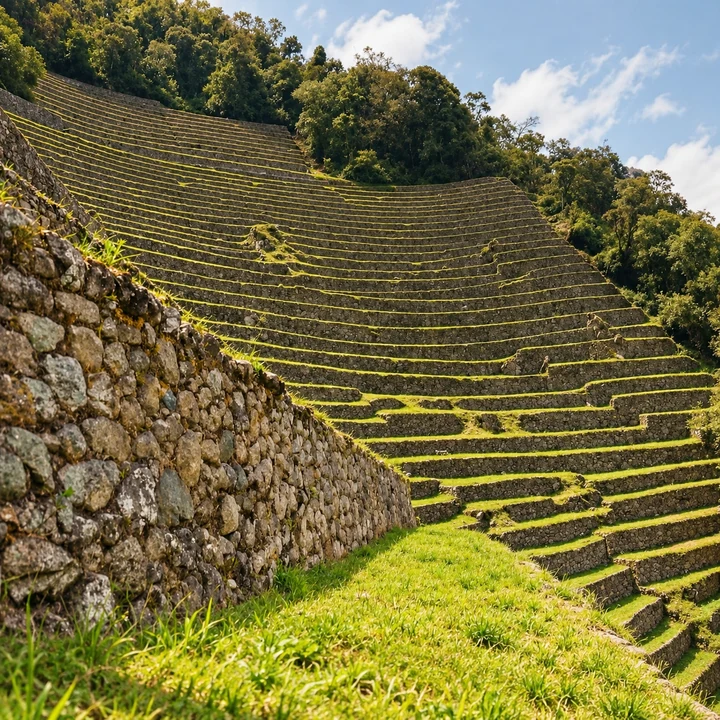
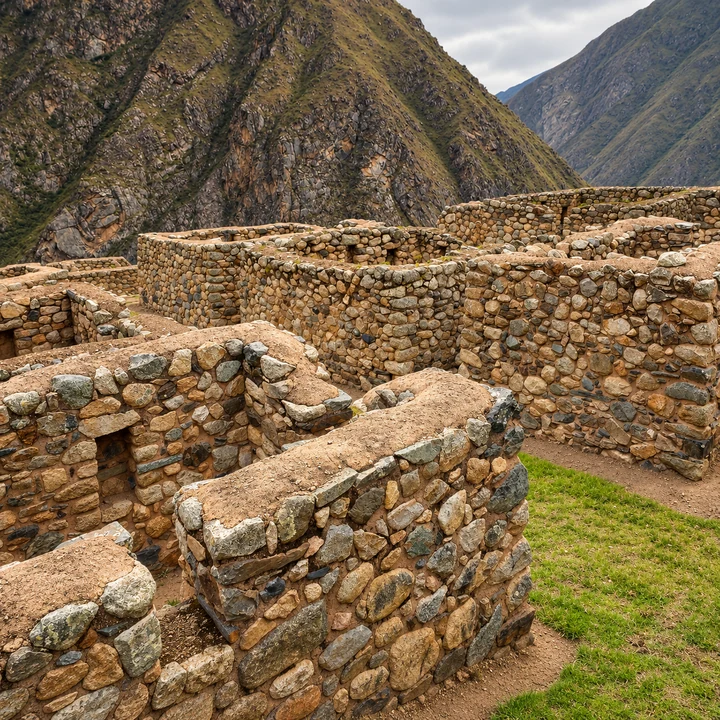
Sites along the classic route include Patallacta, Runkurakay, Sayacmarca, Phuyupatamarca and Wiñay Wayna. Their setting helps explain why the walking itself is such a significant part of the experience.
A Typical Four-Day Progression
Day 1: Km 82 and the first campsite. After the permit checkpoint, you begin walking through the lower valley. This opening stage introduces the trail and its archaeological landscape before the first camping night.
Day 2: Dead Woman’s Pass. The major ascent reaches Warmiwañusca, or Dead Woman’s Pass, at approximately 4,215 meters. The descent that follows is also physically demanding, particularly on the stone steps.
Day 3: Archaeological sites and cloud forest. The route continues through further mountain and archaeological sections before descending toward the Wiñay Wayna area. This stage combines substantial walking with several important stops.
Day 4: Intipunku and Machu Picchu. After the final trail approach, you reach the Sun Gate and continue toward Machu Picchu for the visit arranged with your reservation.
The distribution of effort varies between programs. For example, our published itinerary stays in Pacaymayo after crossing Dead Woman’s Pass, while some other itineraries continue farther that day. Read the daily stages and overnight locations when comparing packages.
You can review the current route and inclusions on our Classic Inca Trail 4 Days tour page.
What Is the Short 2-Day Inca Trail Like?
The Short Inca Trail joins the route much closer to Machu Picchu. Its traditional starting point is Km 104, near Chachabamba, and MINCETUR describes the traditional walking section as approximately 12–13 kilometers.
You still follow stone paths, climb stairways and spend several hours walking. The shorter distance reduces the number of trekking days, but the main hiking day requires energy and comfortable footwear.
Day 1: Hiking the Final Section
The journey normally includes transportation to the railway station and a train to the authorized trail access. When the traditional Km 104 entrance is used, Chachabamba forms part of the opening section before the ascent toward Wiñay Wayna.
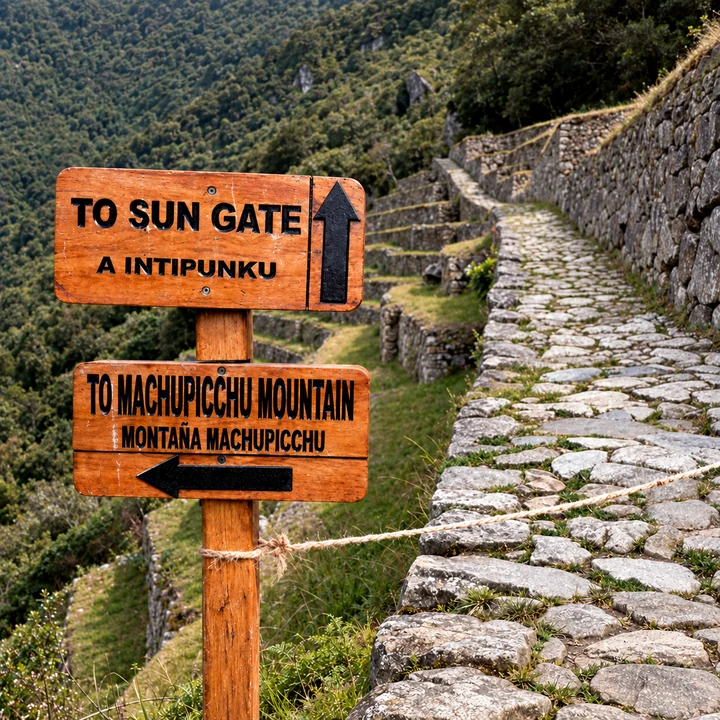
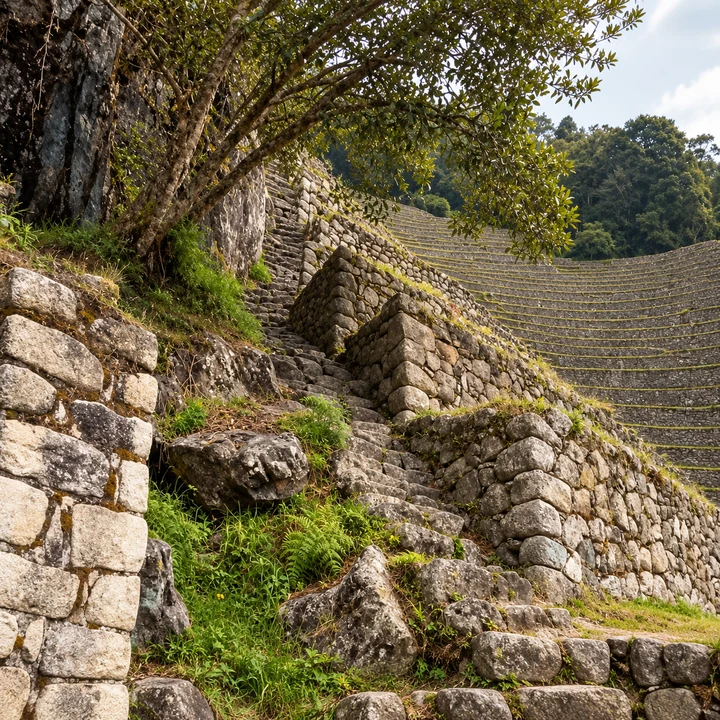
From Wiñay Wayna, the trail continues through forest and stone stairways toward Intipunku. The first view of Machu Picchu arrives during this approach, with the actual visibility depending on cloud and weather conditions.
Route 5 has also operated through an authorized access at Km 106. The access point and early section must follow the instructions applicable to your departure, so Chachabamba should not be assumed when a different access is used.
After the hike, the hotel-based package continues to Aguas Calientes for the overnight stay.
Day 2: Your Guided Machu Picchu Visit
The second day is dedicated to the authorized Machu Picchu visit and return journey. This distinction is useful when comparing the 2-day vs 4-day Inca Trail: the short package normally contains one main trekking day, rather than two full days on the trail.
It also differs from a two-day train tour. Both may include a hotel night in Aguas Calientes, but the Short Inca Trail adds the regulated hiking route and its permit requirements.
See our Short Inca Trail 2 Days package for the published itinerary and current inclusions.
Difficulty, Altitude and Where You Sleep
The Classic Inca Trail is more demanding because you repeat the effort over consecutive days and cross a substantially higher pass. A long descent can be tiring even after the hardest climb is over, and the following morning brings another walking day.
The Short Inca Trail avoids Dead Woman’s Pass. Its high point is around 2,720 meters at Intipunku, but it still involves sustained uphill walking and uneven steps.
When judging your preparation, think about your experience with hills, stairs, descents and several hours on your feet. For the Classic, consider how you usually feel when hiking again the day after a demanding walk.
Camping or a Hotel Night?
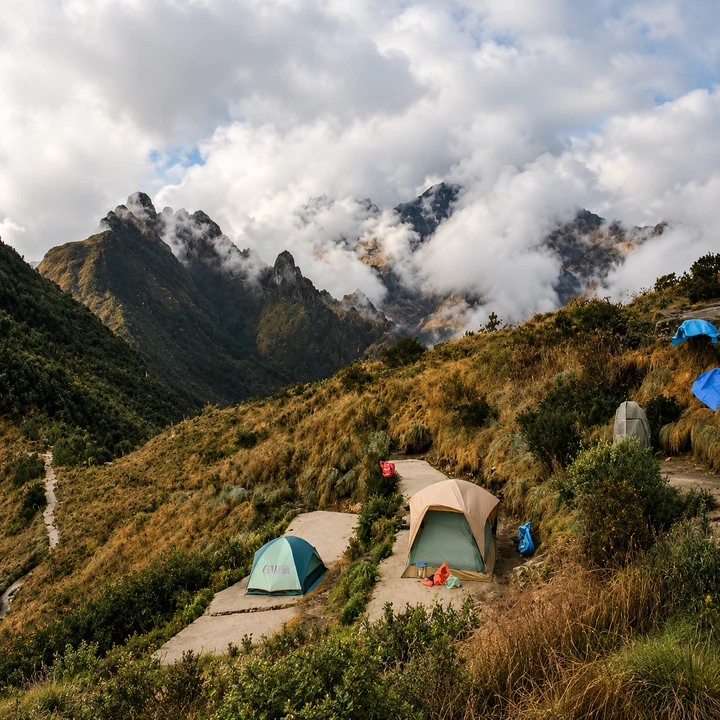
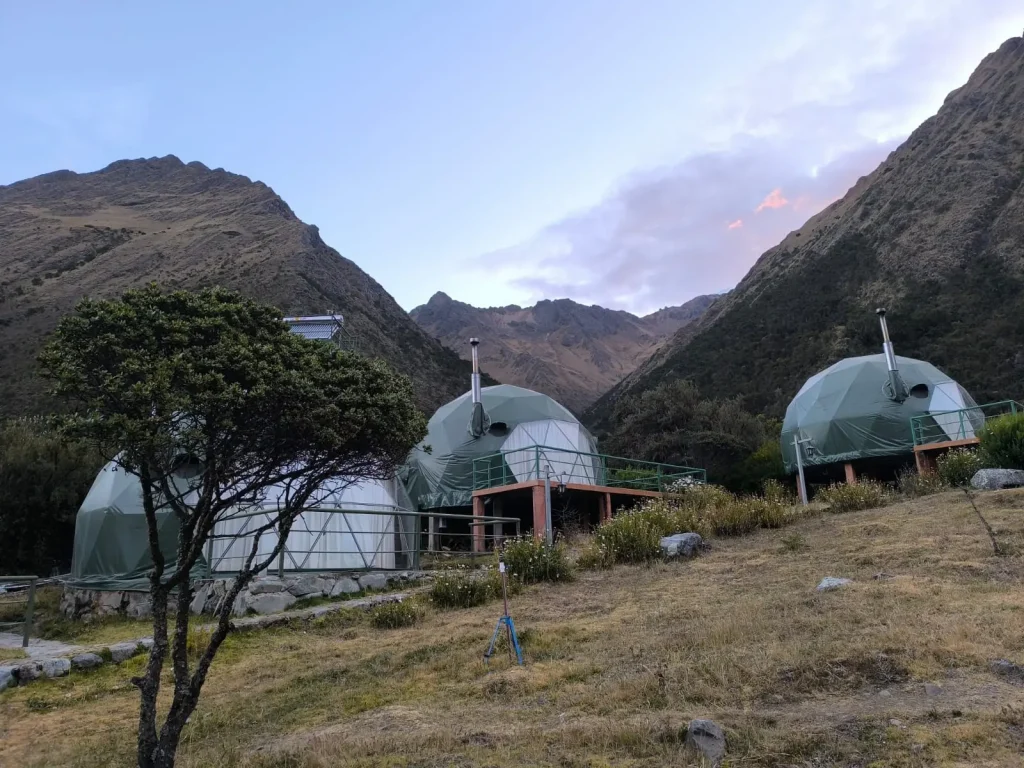
The standard Classic package includes three nights of camping. That means sleeping in tents and organizing your overnight belongings around the trail itinerary.
The hotel-based Short package offers a bed and a shower after the main hike. For travelers who enjoy walking but prefer hotel accommodation, this can be a decisive advantage.
Accommodation is still something to verify. Some operators offer camping versions of the Short Inca Trail, so the tour name alone does not establish where you will sleep.
Allow Time to Adjust to Altitude
Your arrival in Cusco also matters, even if you choose the lower short route. CDC guidance emphasizes gradual ascent and time for acclimatization; individual responses vary.
Plan adaptation time before strenuous hiking and avoid treating a fixed number of days as a guarantee. The practical aim is to begin the trek rested and prepared for the conditions.
Other Inca Trail Formats Explained
Other Inca Trail tour options may change the pace, accommodation or service rather than the physical route. Check what the extra or fewer days actually change.
One-Day Inca Trail Formats
These programs generally combine a shorter trail section with tighter sightseeing and return connections. They are not the complete Classic route compressed into a single day. Check the hiking schedule, Machu Picchu visit and train arrangements carefully.
Five-Day Classic Versions
Some five-day programs redistribute the classic route over a different schedule or change the timing of the Machu Picchu visit. An extra day does not automatically create a different trail or remove the high pass.
Private and Group Departures
Private service changes who travels with you and how your group is organized. It can provide more individual attention, but permits, authorized access, campsite arrangements and conservation rules still apply.
Combination Treks
A combined itinerary may link another trek with a regulated Inca Trail section. The advertised program should identify that section and its permit.
A standard Salkantay itinerary and an Inca Jungle program are different journeys. If you are considering Salkantay, our Salkantay Trek 5-Day Guide explains that experience separately.
What Should You Check in an Inca Trail Package?
When comparing packages, place the inclusions beside each other before comparing the total price. Start with the services that affect the route and the visit you are booking.
Permits and Machu Picchu Admission
Ask which Inca Trail route is reserved, what Machu Picchu visit is included and how the required tickets are handled. The confirmation should distinguish the trek from the specific archaeological visit.
Transportation and Return Connections
Check transportation to the trailhead, the train services, the return to Cusco and the shuttle buses included. Small differences can matter after a long walking day.
For example, our published Short Inca Trail package lists the Day 1 downhill bus separately from the included Day 2 shuttle services. That is a condition of this particular package, rather than a universal rule.
Accommodation, Meals and Equipment
For the Classic, check the camping equipment, sleeping arrangements and meal plan. For the Short, check the hotel arrangements and which meals are included.
Also establish what you carry yourself, whether personal luggage is transported and which items require a separate rental. A daypack and an overnight bag serve different purposes on the trail.
Price and Additional Costs
More trekking days bring additional camping nights, meals and support logistics. Shorter packages still involve transport, permits and guiding, so price does not decrease in direct proportion to the number of days.
Compare the same service level and travel dates, then confirm the complete inclusions. Our individual tour pages are the appropriate place to check current rates and package conditions.
Permits, Entry Rules and Your Machu Picchu Visit
Both the Classic and Short Inca Trail require official permits and an authorized operator. A general Machu Picchu entrance ticket does not replace the trekking permit.
The capacity provisions checked for this guide set 500 daily users for routes 01–04 and 250 for Route 5. The classic allocation includes support personnel; it should not be read as 500 tourist places. These limits also do not tell you how many permits remain for a particular date.
Check availability once your travel dates are firm. If the Classic is unavailable, the Short still needs its own available permit; it is not an automatic replacement.
Arriving Through Intipunku and Visiting the Citadel
The approach through Intipunku and the guided route inside Machu Picchu are distinct parts of the journey.
Under the Ministry of Culture provisions checked for this guide, visitors arriving from the Inca Trail are linked to Route 3-B, with allocated places handled in advance through authorized agencies. An Inca Trail package does not automatically provide Circuit 2 or unrestricted access to every sector.
Your confirmation should identify the visit arranged with your trek. Additional routes or mountain hikes require compatible availability and the relevant arrangements.
Our Machu Picchu circuits guide introduces the wider circuit system.
February and Changing Trail Conditions
The Inca Trail network normally closes during February for annual conservation and maintenance. This is separate from access to Machu Picchu by other transport routes.
Temporary restrictions can also affect a trail or access point. Follow the confirmed operating instructions for your departure. Neither an early start nor arrival at Intipunku guarantees sunrise visibility or clear panoramic photographs.
Which Inca Trail Option Fits Your Trip?
Choose the Classic if the multi-day trek is one of your main reasons for visiting Peru. It provides more time on the historic route, more archaeological stops and the rhythm of walking and camping over several days.
Choose the Short if you want a substantial hiking day with a hotel night and a smaller time commitment. It can fit more comfortably into an itinerary that also includes other places in Peru.
If you are weighing the Short Inca Trail vs Classic Inca Trail as a couple or group, talk through the practical demands together. Discuss the longest walking day, stairs, sleeping arrangements and the experience each person wants.
Finally, compare the trek with your complete itinerary. Arrival, adaptation time, the pre-departure briefing and onward travel all need space around the package itself.
Frequently Asked Questions
Still comparing the Short and Classic Inca Trail? These answers cover thehiking days, permits and Machu Picchu visit to check before choosing your package.
Does the 2-day Inca Trail include two full hiking days?
Usually not. The hotel-based Short Inca Trail includes one main hiking
day, followed by a night in Aguas Calientes and the guided Machu Picchu
visit on Day 2. Check the daily itinerary when comparing packages.
Is the Short Inca Trail easier than the Classic route?
It involves fewer hiking days and avoids Dead Woman’s Pass. However,
it still requires several hours of walking, uphill sections and stone
stairways. Your fitness and preparation remain important.
Do both routes reach Machu Picchu through the Sun Gate?
The usual Classic and Short Inca Trail itineraries approach Machu
Picchu through Intipunku, the Sun Gate. Follow the access arrangements
confirmed for your departure. Clear views and sunrise visibility are
not guaranteed.
Can I hike the Inca Trail without an authorized operator?
No. Both routes require the relevant official permit and an authorized
operator with guiding arrangements. A standard Machu Picchu entrance
ticket does not replace the Inca Trail permit.
Does an Inca Trail package automatically include Circuit 2?
No. The Ministry of Culture provisions checked for this guide link
visitors arriving from the Inca Trail to Route 3-B. Ask which visit is
included in your reservation. Any additional route depends on separate
availability and compatible arrangements.
Can the Short Inca Trail sell out?
Yes. The Short Inca Trail has a limited allocation and requires its own
available permit. It should not be treated as a guaranteed replacement
when the Classic route is sold out.
Is the Inca Trail open in February?
The network normally closes during February for annual conservation
and maintenance. This closure is separate from visits to Machu Picchu
by other access routes. Check the operating dates for your travel season.
Is the Short Inca Trail the same as a 2-day Machu Picchu train tour?
No. The Short Inca Trail includes a regulated trekking section. A
two-day train tour reaches Aguas Calientes by rail and organizes the
Machu Picchu visit without that Inca Trail hike. Both can include a
hotel night, but their activities and permits differ.
Does private service change the permit requirements?
No. Private service changes the group arrangements and guiding
attention, while official permits, authorized access, conservation
rules and availability still apply.
Plan Your Inca Trail Experience
The most useful comparison brings together the route you want, the effort you are prepared for and the services included in your reservation.
Explore our Classic Inca Trail 4 Days and Short Inca Trail 2 Days itineraries, then contact our team with your dates and preferred travel style so we can check the available options.
Continue Exploring Cusco


Need Help Planning Your Trip?
Our local travel experts are here to help you plan the perfect trip to Peru.